
Conditions & Symptoms
Liver, gallbladder, bile duct, and pancreatic conditions often start with symptoms that seem minor — jaundice, pain after meals, or an "abnormal" scan result.
Liver, gallbladder, bile duct, and pancreatic conditions often start with symptoms that seem minor — jaundice, pain after meals, or an "abnormal" scan result.
Seek immediate emergency medical attention at the nearest hospital (do not wait for a scheduled clinic consultation) if you or a family member experience any of the following symptoms:
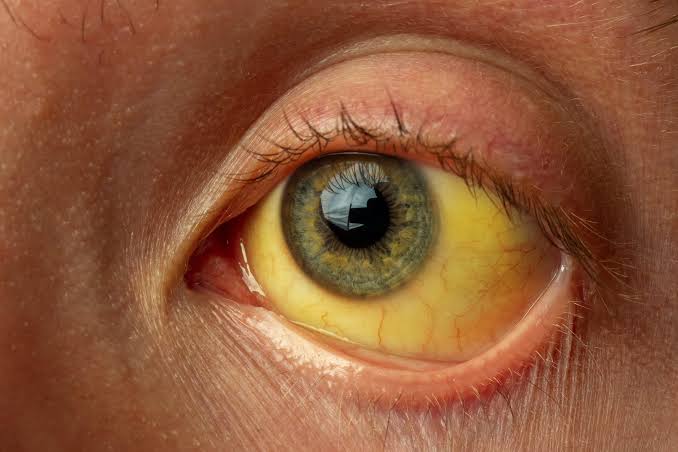
What it could mean: A blocked bile duct (due to a gallstone or narrow channel), viral hepatitis, liver damage, or in more serious cases, a pancreatic or bile duct tumor pressing on the duct.
Why act now: Jaundice is never a symptom you should "wait and see." It signals that bile is backing up into your bloodstream rather than draining into the gut. The underlying cause needs to be identified quickly to avoid severe infection or liver damage.
Seeing Yellow in Your Eyes or Skin? Call Now →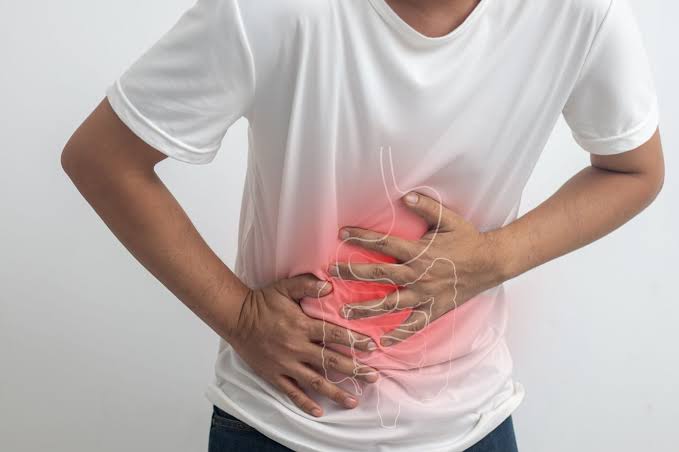
What it could mean: Gallstones, acute cholecystitis (gallbladder inflammation), or biliary tract blockage. Pain that radiates to the right shoulder or back, especially after consuming fatty foods, is a classic warning sign.
Why act now: Untreated gallstones can migrate and cause pancreatitis (pancreatic inflammation), bile duct blockage, or a ruptured gallbladder — which are critical medical emergencies.
Get Your Abdominal Pain Evaluated →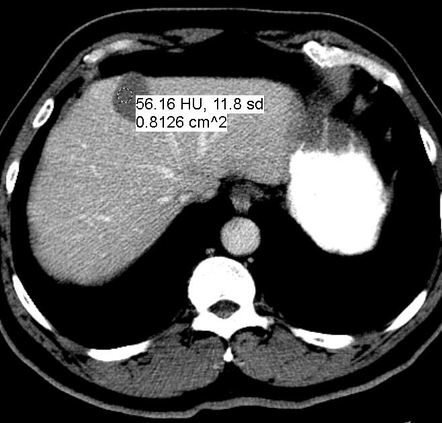
What it could mean: An unexpected finding on an ultrasound, CT, or MRI report. This could range from a completely harmless simple cyst, benign hemangioma, to a liver or pancreatic tumor that requires surgical removal.
Why act now: Many patients delay seeing a specialist out of fear. However, early evaluation — even if the lesion turns out to be benign — provides peace of mind. If it is serious, early surgical planning gives you the best possible treatment outcome.
Bring Your Report for a Specialist Review →
What it could mean: This combination of symptoms — especially in patients over 40 — can be an early warning sign of pancreatic disease, including pancreatic cancer. These are often missed in their early stages because the symptoms seem vague.
Why act now: Pancreatic conditions are far more treatable when caught in their earliest stages. Dr. Patra's own published research in the PubMed-indexed journal *Cureus* focuses specifically on blood markers to improve early detection of pancreatic cancer.
Don't Dismiss These Symptoms — Get Checked →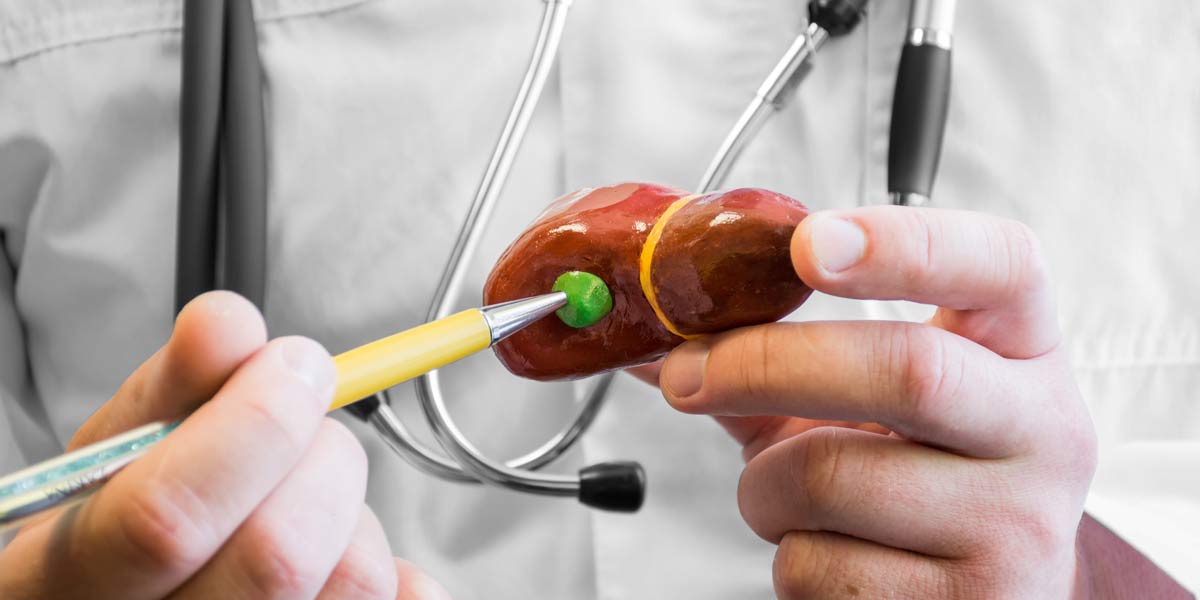
What it could mean: Chronic bloating, intolerance to fatty foods, or feeling full quickly can point to underlying gallbladder dysfunction, gallstones, or an enlarging liver mass pressing on the stomach.
Ongoing Digestive Discomfort? Find the Cause →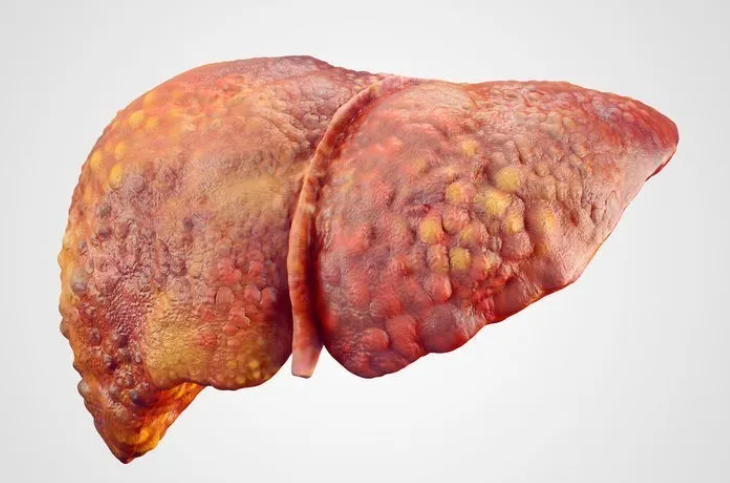
What it means: A serious diagnosis of Hepatocellular Carcinoma (HCC) or metastatic liver cancer requiring immediate specialist evaluation of surgical resection options.
Why Dr. Patra: His ongoing academic research specifically focuses on sarcopenia (muscle loss) and its impact on outcomes after liver resection, ensuring your surgical and post-operative plan utilizes the latest evidence-based protocols.
Get a Specialist Surgical Opinion →
What it means: Confidently confirming a recommended surgical path or seeking alternatives before major abdominal surgery is a smart, standard healthcare practice. Bring your files, and Dr. Patra will review your scans and give you a clear, independent assessment.
Request a Second Opinion →You don't need to already have a diagnosis to reach out. Describe your symptoms, share your reports if you have them, and get clarity from a specialist who treats these conditions every day.